You've heard that old advice countless times: “You should change your oil every three months, or 3,000 miles." While commonly followed, is this rule still true today? How often should you really change your oil? Let's take a look at the specifics of oil changes, including choosing the right oil for your vehicle.
An engine failure can be catastrophic for a car owner, and often it signals the end of the life of your vehicle. Despite modern technology and social media making it easier to DIY, things under the hood can still go horribly wrong. A lack of proper motor oil or compromised coolant are big threats. With most drivers keeping their cars longer, manufacturing defects and old age are also to blame. Here's how to avoid the most common worst-case scenarios.
The Importance of Regular Engine Maintenance

Source | Kampus Production
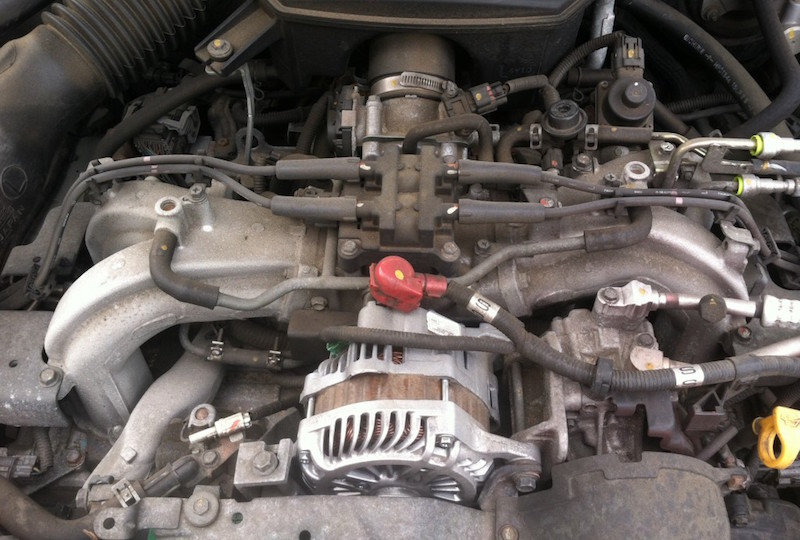
Performing regular and proper engine maintenance dramatically reduces the chances of a car malfunction. Internal combustion engines produce enormous heat, with exhaust gases ranging from 400 to 1,000 degrees Fahrenheit, depending on the type of vehicle. When heat and metal engine components rub together it often causes an engine failure. An oil change can help by replacing lube that has lost its viscosity, meaning it's become less slippery. In addition, changing the oil filter simultaneously helps remove tiny pieces of metal and other small debris and particles, like dust and dirt, that can damage pistons, rings, cylinder heads and valves. Remember that at Advance Auto Parts, you can bundle the right oil with the right filter, at the right price.
Protecting the Engine From Contaminants
Changing your air filter helps to keep dust and dirt from entering the combustion chamber, where it can scrape cylinders and other moving parts. If cylinder walls and pistons become damaged, the engine will lose compression and eventually fail. Contaminants can also get into the engine via the fuel supply. A rusty gas tank, contaminated fuel or particles in the filler tube can all end up in places they don't belong. Regularly changing the fuel filter, if equipped, will help eliminate the problem and also help regulate airflow, which is important for proper combustion and fuel economy. Did you know that fuel treatments and injector cleaners work to prevent buildup?
The Significance of Spark Plug Maintenance
Combustion relies on spark plugs properly igniting the fuel. If a plug goes bad and isn't firing correctly, the unburned fuel creates carbon deposits that stick to the engine's moving parts and cause damage. Aligning the pistons and valves into the correct position to make the engine run properly depends on the timing belt. It's important to change your plugs at the recommended interval. Here are the basics and tips on how to identify worn spark plugs.

Lorem Ipsum is simply dummy text of the printing and typesetting industry. Lorem Ipsum has been the industry's standard dummy text ever since the 1500s, when an unknown printer took a galley of type and scrambled it to make a type specimen book. It has survived not only five centuries, but also the leap into electronic typesetting, remaining essentially unchanged. It was popularised in the 1960s with the release of Letraset sheets containing Lorem Ipsum passages, and more recently with desktop publishing software like Aldus PageMaker including versions of Lorem Ipsum.